SHENZHEN — Lenovo is testing the boundaries of the retro-gaming market by releasing a handheld device reportedly preloaded with unauthorized game ROMs.
The hardware arrives during a period of intense competition in the handheld gaming space, where devices like the Steam Deck and various Chinese-made emulation consoles have carved out a significant niche. Lenovo, a major player in the global PC market, appears to be targeting this demographic by offering a plug-and-play experience that requires zero technical setup from the user.
However, the inclusion of preloaded software—which reportedly consists of copyrighted titles from defunct platforms—has drawn immediate scrutiny. Unlike legitimate storefronts that license classic content, this device leans on the gray market of emulation, where games are distributed without the consent of the original IP holders.
The mechanics of the controversy
Industry observers note that hardware manufacturers rarely engage in the direct distribution of pirated software. The risk to brand reputation and the threat of litigation from major gaming publishers typically serve as a deterrent. By allegedly including a library of games that lack clear licensing, Lenovo is departing from its standard corporate playbook.
Industry analysts suggest that the decision to include preloaded games may be an attempt to lower the barrier to entry for casual users, though it simultaneously creates a massive liability for a publicly traded company.
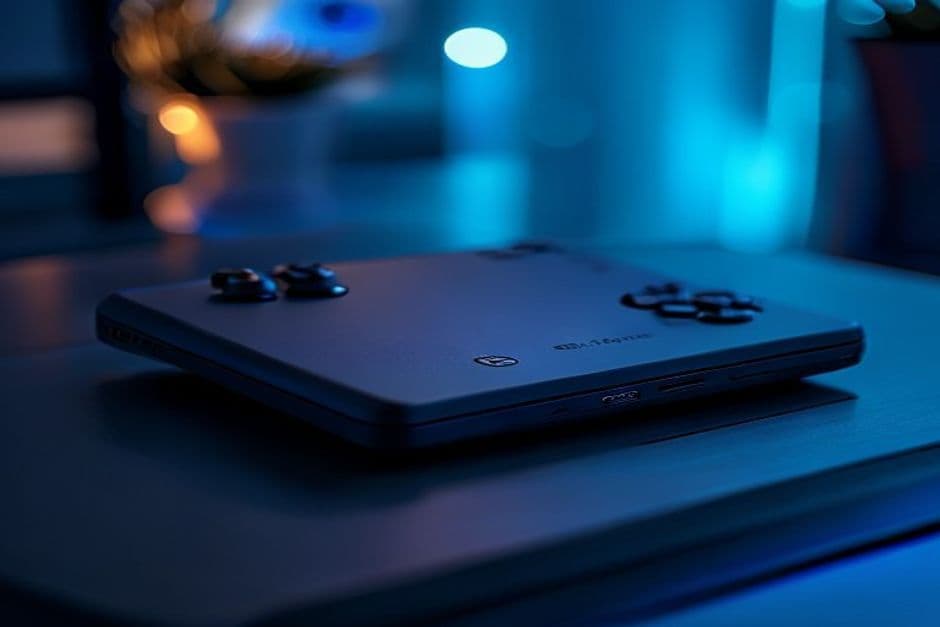
The device itself features a form factor reminiscent of classic 8-bit and 16-bit handhelds. It relies on an operating system tailored for game emulation, allowing it to interpret ROM files. While the hardware itself is legal, the inclusion of the game library shifts the conversation from technological capability to legal risk.
Community reaction and market impact
Within the enthusiast gaming community, the reaction is polarized. Some users view the move as a long-awaited mainstreaming of emulation, making classic gaming accessible to those who lack the technical proficiency to manage their own ROM libraries. Others, however, see it as a shortsighted move that could invite unnecessary regulatory pressure on the broader handheld industry.
Retailers are watching the situation closely. If Lenovo proceeds with a wide-scale rollout, it could force a legal showdown with companies that still own the rights to these classic catalogs. Nintendo, in particular, maintains a notoriously protective stance regarding its intellectual property, frequently pursuing legal action against entities that distribute its software without authorization.
Critics argue that large tech firms have a responsibility to adhere to copyright standards, and that bypassing these norms undermines the value of intellectual property across the entire gaming sector.
Why it matters
Lenovo’s entry into this space signals that even massive tech conglomerates are struggling to reconcile the massive consumer demand for retro gaming with the rigid realities of intellectual property law. If a company of this scale attempts to normalize the distribution of unauthorized software, it could either lead to a total crackdown on emulation hardware or force a new era of licensing deals that finally makes retro gaming a legitimate, sustainable ecosystem for both manufacturers and developers.