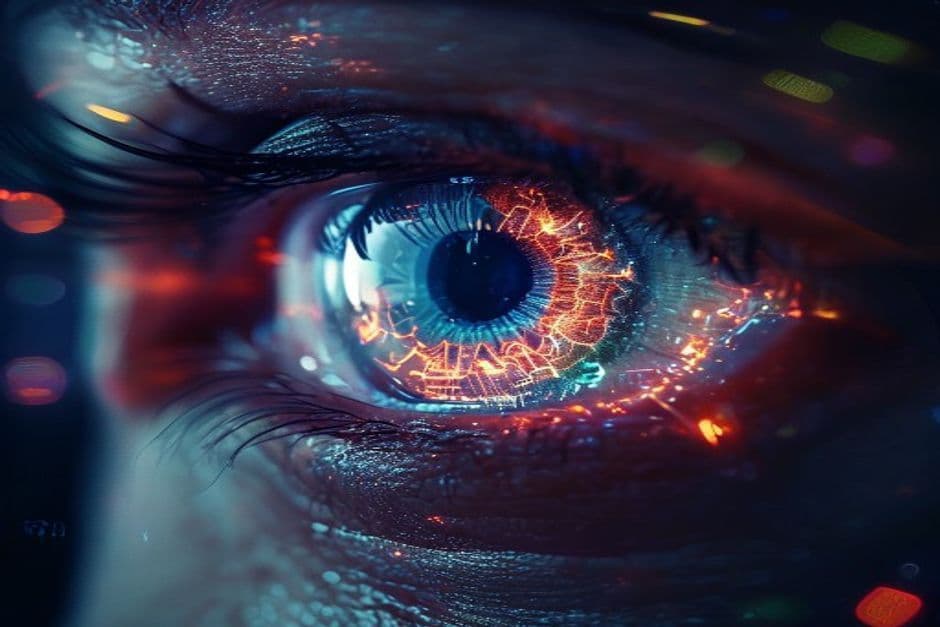
The Intersection of Pop Culture and Biometrics
Jared Leto has never been one to shy away from unconventional promotional tactics. However, his band, 30 Seconds to Mars, recently sparked a heated debate after integrating Worldcoin—a biometric authentication project co-founded by Sam Altman—into its fan engagement strategy. Fans attempting to secure access or special tickets found themselves prompted to scan their irises to prove their humanity.
This move marks a significant departure from traditional ticket purchasing, which typically relies on email verification, credit card data, and mobile device IDs. By leveraging iris-scanning technology, the band is attempting to solve the "bot problem" that has plagued the live music industry for years.
The Promise of Bot-Free Ticketing
Automated scripts and scalping bots have driven concert ticket prices to record highs, often locking genuine fans out of the market. According to industry analysts, these bots can purchase thousands of tickets in seconds, creating artificial scarcity. The use of Worldcoin’s "Orb" technology aims to create a unique "proof of personhood" that is theoretically impossible for a bot to replicate.
If effective, this could theoretically ensure that one human receives one ticket, neutralizing the advantage held by professional scalpers. For artists, the incentive is clear: they want to ensure their music is heard by actual fans rather than resellers looking to flip inventory on secondary markets.
The Privacy Trade-Off
The integration of biometric data into entertainment platforms has drawn intense scrutiny from privacy advocates. Unlike a password or a credit card number, a biometric signature cannot be changed if the underlying database is compromised. Critics argue that handing over unique biological markers for the sake of a concert ticket is a disproportionate exchange of personal security for consumer access.
Furthermore, the Worldcoin project has faced regulatory challenges globally. Concerns regarding the collection of sensitive data from vulnerable populations or those eager for digital participation have led some authorities to pause or investigate the technology. When fans scan their eyes, they are not just buying a ticket; they are contributing to a massive, centralized database of biometric identifiers.
The Future of Identity Verification
We are entering an era where "proving you are human" is becoming a primary challenge for digital platforms. As generative AI makes it increasingly easy to create sophisticated, human-like bots, companies are scrambling to find definitive ways to distinguish between organic users and synthetic actors. 30 Seconds to Mars serves as a high-profile case study for this trend.
The music industry is often a testing ground for broader technological adoption. If fans accept biometric scanning for concert access, it is likely that other industries—from social media access to banking—will follow suit. We must ask whether convenience and bot-free experiences are worth the permanent digitization of our physical traits.
Actionable Takeaways for Consumers
Before participating in any biometric verification program, fans should consider the following:
- Understand the Data Policy: Always read the privacy policy to determine who stores your biometric data and how long it remains in their servers.
- Evaluate the Necessity: Determine if the benefit of the service truly outweighs the sensitivity of the data being requested.
- Stay Informed: Follow regulatory updates regarding Worldcoin and similar technologies in your region, as privacy laws are currently evolving rapidly.
The experiment by 30 Seconds to Mars is more than a marketing stunt; it is a preview of the ongoing tension between digital security and personal privacy. As we move forward, the burden remains on both the technology developers and the artists to prove that these systems prioritize user safety as much as they do ticket integrity.